
Pop-up goals or a fixed frame: what survives a Chicago backyard

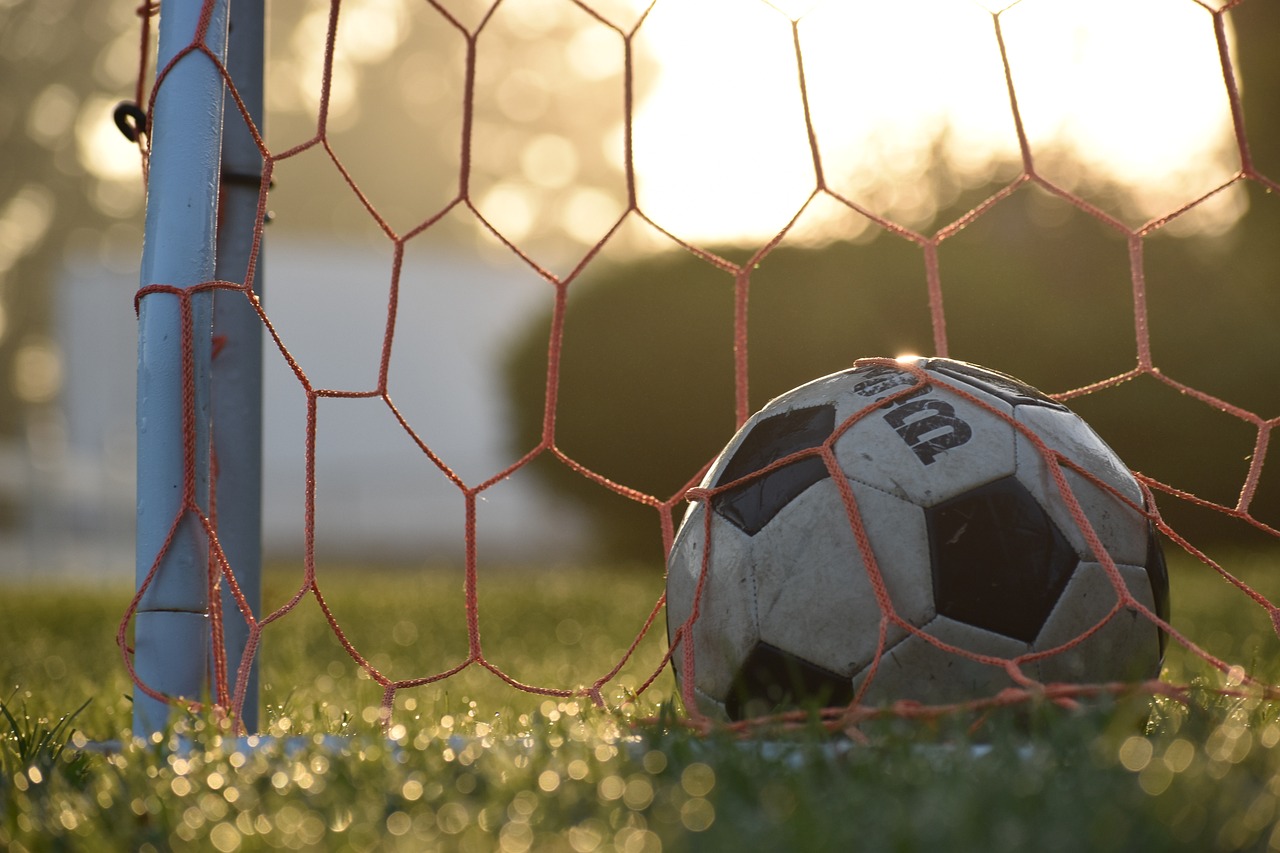
Pop-up goals or a fixed frame: what survives a Chicago backyard
Every spring people come in wanting “a goal for the yard” and leave with one of two completely different products. Which one is right depends less on budget than on whether it is going to be put away every evening.
Pop-up goals
A sprung frame in a fabric skin that twists into a flat circle and goes in a bag. Typically 4×3 ft or 6×4 ft, sold in pairs.
Good for: small yards, park sessions, kids’ training, anywhere you need the space back afterwards. Two goals in a bag fit in a car boot next to the groceries.
Limits: they are light, so a hard shot moves them and wind takes them. Use the pegs. The fabric is the wear point — a season of hard shooting will eventually go through the net face at the corners.
Honest lifespan: two to four seasons of regular family use, less if it lives outside in the sun.
Fixed frames
Steel or heavy PVC tube, bolted together, with a separate net. These stay where you build them.
Good for: a yard where the goal can live all summer, older kids who shoot hard, and anyone who wants a target that does not move when it is hit.
Limits: assembly takes an afternoon, they need storing over winter or they rust, and they take a permanent bite out of the yard.
Honest lifespan: years, if the frame comes apart and goes in the garage from November.
Sizing for the space you actually have
The most common mistake is buying the biggest goal that will fit. A goal needs run-up in front and space behind for the ball that misses.
- 4×3 ft — under-8s, narrow yards, indoor use in a basement or garage.
- 6×4 ft — the general-purpose size. Fits most Chicago backyards with room to shoot.
- 8×5 ft and up — needs a genuinely large space, and at that size a pop-up starts to feel flimsy.
Measure the yard before you shop. A 6 ft goal in a 20 ft yard leaves usable space; an 8 ft goal does not.
Anchoring, which is not optional
Two things matter here, one practical and one serious.
The practical one: an unpegged pop-up goal will end up in a neighbour’s yard after any windy afternoon, and lake-effect wind here is not gentle.
The serious one: unanchored goals tip. Every one of them, pop-up or fixed, should be pegged or weighted, and no child should be allowed to hang on the crossbar. This is the reason goals carry warning labels, and the reason we mention it at the counter every time.
Netting
Net quality is where budget goals give themselves away. Look at the mesh material and the way the net attaches.
- Polyethylene — cheap, stiff, degrades in UV within a couple of summers.
- Polypropylene — better UV resistance, more flexible, the usual mid-range choice.
- Knotted vs knotless — knotted nets are stronger and repairable; knotless are lighter and unravel when cut.
A replacement net costs a fraction of a new goal, so a frame with a replaceable net is worth more than one with the net sewn in.
The surface underneath
Grass takes a beating in a goalmouth. If the goal stays in one place all summer, the area in front of it will be bare by August. Two fixes: move the goal every couple of weeks, or accept it and put down a mat.
On concrete or asphalt, pegs are not an option — use sandbags or water weights on the base bar, and check them before every session.
Winter
Chicago winters end goals. Fabric goes brittle in the cold and steel corrodes at the joints where water sits and freezes. Take goals down in November, dry them, and store them somewhere unheated but dry. A goal that overwinters in the yard is a goal you replace in spring.
Come in and look at both
We keep both formats set up in the shop so you can see the difference in frame weight and net quality before you decide. Tell us the size of your yard and the age of who is shooting and the choice usually makes itself.
Repairing a net rather than replacing a goal
A net that has gone through at the corner is not a dead goal. Netting repairs with a needle and a length of the same gauge twine, tying each broken mesh back to its neighbours with a simple knot. It is slow, it is not pretty, and it adds seasons.
For a larger tear, a patch of spare netting laced in with cord works well. Keep the offcut when a net is eventually replaced — it becomes the repair material for the next one.
Indoor use
Small pop-up goals get used indoors in basements and garages more than manufacturers expect. Two cautions. The frame is sprung steel and it will mark drywall on the rebound, so keep a foot of clearance behind it. And a hard floor gives no purchase for pegs, so a goal will travel — put something heavy on the base bar.
Ages and sizes together
A household with a six-year-old and a fourteen-year-old is the hardest case. The usual solution is one 6×4 goal rather than two different sizes: the older child gets a target that is at least worth shooting at, and the younger one gets a goal that is comfortably reachable. Two 4×3 goals set up as a small pitch is the alternative and works better for shared games than for individual practice.
Buying at the end of the season
Goals and nets are cheapest in September and October, when nobody is buying them, and stock is thinnest in April. If you know a goal will be needed next spring, buying in autumn saves money and guarantees availability — and it will store perfectly well in a garage over winter.